Sharp Practice: The Field Knife That Earns Its Keep in 2026

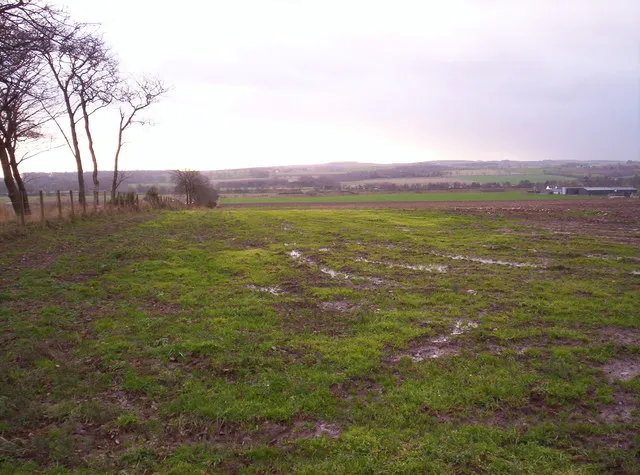
Photo: Philip Halling , CC BY-SA 2.0, via Wikimedia Commons
The law bit, first
This is not legal advice. Knife law across the UK is not one single rule, and it is worth reading the official guidance for where you live before you buy anything.
In England and Wales, the usual starting point is that you can carry a folding pocketknife in public without a specific reason if the blade is under three inches and does not lock. Anything else, including a fixed blade or a locking folder, needs a good reason. Hunting, ferreting, shooting and other field sports can be a good reason, but that does not mean you can wander through a supermarket with a fixed blade on your belt.
Scotland has its own rules and they are stricter in places. Northern Ireland is different again. If you are travelling, check before you pack. If you are going to and from a permission, keep the knife secure and out of sight, take a sensible route and do not turn a working tool into a public order problem.
The honest version is this: buy a knife that suits the work, carry it only when the work justifies it, and use a bit of common sense.
What a field knife actually does
Most of us are not filming a survival documentary. We are opening a rabbit, cutting a length of net, slicing a bit of rope, preparing a fox for the larder or dealing with a stubborn bit of kindling at the truck.
That means the knife needs to cut cleanly, feel safe in a cold hand, clean up without a drama and hold an edge well enough that you are not sharpening it every ten minutes. It does not need to be able to pry open a tank hatch or survive a helicopter crash.
Blade shape and grind
A drop point blade of around three to four inches is the sweet spot for most UK field work. It gives you a strong tip without looking like a prop from a film. A scandi grind is easy to sharpen and works well on wood and game. A flat grind slices nicely and is a good all-rounder. Hollow grinds are fine, but they can feel fragile if you are doing more than slicing.
Skip the serrations for game work. They tear, they clog and they are a nuisance to sharpen. A plain edge is more useful. A gut hook sounds clever until you realise you have never needed one and now you have a weak point in the blade.
Steel and weather
UK field conditions are wet, muddy and often cold. Stainless steel is not a cop-out. Modern stainless such as 12C27 or 14C28N takes a good edge, resists rust and will not turn orange because you left it in a damp sheath overnight. Carbon steel takes a lovely edge and is easy to sharpen, but it will rust if you treat it like a fence post.
For most people, a sensible stainless steel is the better choice. If you enjoy sharpening and oiling, carbon is fine. If you want to spend your evening doing something other than maintenance, stainless is your friend.
Handle and sheath
A cold hand is a clumsy hand. Look for a handle with some texture and a decent guard or finger groove. Smooth polished wood looks lovely in a photograph and feels like a wet bar of soap when you are up to your wrists in a rabbit.
A bright lanyard is not fashion. It is how you find the knife in long grass. The sheath matters as much as the blade. It should hold the knife securely, drain water, cover the edge and be easy to put on and take off with cold fingers. A dangler sheath is comfortable when you are crouching. A simple belt loop is fine if it sits well.
The test: sub-£60 against £200
We ran a handful of sensible sub-£60 options against a £200 showpiece in wet autumn conditions. The cheap end included a Mora Companion, a Hultafors work knife, an Opinel folder and a Victorinox pocket knife. The expensive end was a custom Scandi-style fixed blade with a fancy handle and a leather sheath.
In the mud, the £200 knife was lovely. It was also heavier, more precious and no better at opening a rabbit than the Mora. The Mora cut well, cleaned up easily and did not make me wince when I dropped it in the wet grass. The Hultafors felt more workmanlike and shrugged off abuse. The Opinel was a great little slicer but the folder and wood handle are less happy in soaking conditions. The Victorinox was the best pocket option for general camp and lunch duties, though not the first thing I would choose for paunching a rabbit.
The expensive knife was not four times better. It was nicer. That is a different thing. If you want a nice knife and you can afford it, buy one. But do not convince yourself that the animal will notice.
What it does not need
It does not need a blade like a small sword. It does not need a hollow handle full of fishing line. It does not need a compass, a fire steel and a glass breaker unless you are genuinely going to use them. It does not need camouflage, and it certainly does not need to look aggressive in a photograph.
Gadgets add weight, cost and something else to go wrong. A simple fixed blade with a good sheath and a sharp edge will do 95% of UK field work.
The verdict
Buy a knife you can sharpen, carry legally and use without fear of scratching it. For most people that means a sub-£60 fixed blade with a stainless steel blade, a sensible handle and a sheath that holds it securely. If you need a folder for pocket carry, stick to a UK-legal non-locking folder and keep it for the jobs it suits.
Spend the rest of your kit budget on boots, fuel and permission. The knife is important. It is just not the whole story.