When the Zero Moves: Rebuilding Your Rifle Around Non-Lead Ammunition
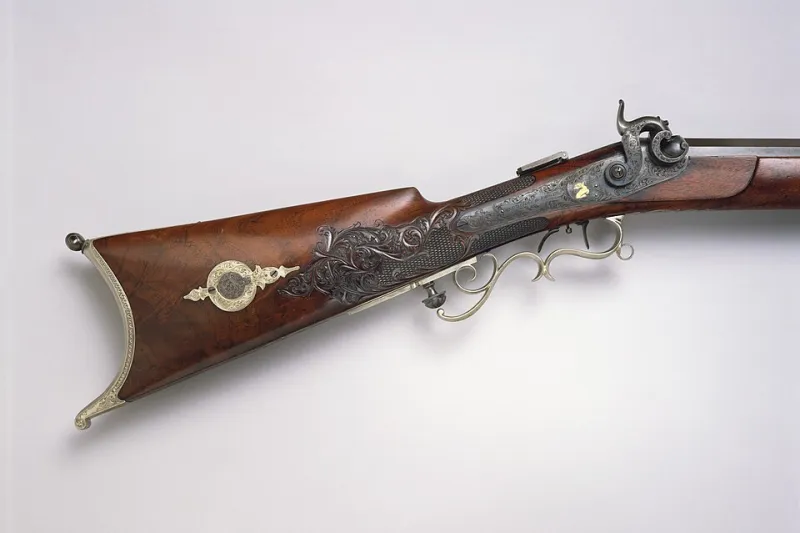
Photo: Creator:Julius GrudchosCreator:Selmar Eggers, CC0, via Wikimedia Commons
The conversation has shifted. Five years ago a non-lead bullet was something you tried because you had to; now it is often what the shop actually has in stock in your calibre, and the question has moved from 'should I?' to 'what changes if I do?' The honest answer is: more than the marketing suggests, less than the doom-mongers claim, and almost all of it manageable on a range in an afternoon if you approach it properly.
The direction of travel is one-way
The regulatory picture keeps tightening, and the shooting organisations have largely accepted the logic of non-lead for carcass-bound game. Whatever your personal view, the supply chain has already moved: most major manufacturers now offer a lead-free line in the mainstream deer calibres, and dealers are stocking them because that is where the volume is going. Planning your set-up around a round you may not be able to buy in four years is a poor use of a rifle.
What actually changes downrange
Copper and copper-alloy bullets are less dense than lead. That single fact drives everything else.
To match the sectional density of a lead bullet, a monolithic has to be longer for the same weight — and longer bullets need a faster twist to stabilise. This is the first place people come unstuck. A .243 with a slow factory twist can be fussy about the longer 85–90 grain monolithics, whereas a 1:8 barrel will shoot them happily. A .308 in 1:12 is usually content with 130–150 grain copper; a .30-06 with a fast twist gives you more options.
Because monolithics are longer, they also eat into case capacity if you seat to the same overall length. Expect to work up loads with more attention to seating depth than you ever did with lead, and expect the accuracy node to be narrower. Some rifles that shot everything well with lead will suddenly have a preference.
Zeroing is the easy part, re-learning your drops is not
A non-lead bullet at the same weight will typically leave the muzzle a little faster — less bearing surface, less friction. That sounds like a free lunch until you look at the ballistic coefficient, which is usually lower than a sleek lead-core bullet of equivalent weight. The result is a flatter start and a steeper finish.
Practically, this means your hundred-yard zero may look fine and your two-hundred-and-fifty-yard drop may be an inch or two off what you had before. On roe and muntjac at eighty yards, nobody notices. On a hill red at two hundred plus, somebody does.
Do the work: shoot at the distances you actually shoot at, not just at a hundred. Print the numbers, tape them inside the lens cap, and check them again in the cold.
Terminal performance: different, not worse
A well-designed monolithic expands by peeling back petals rather than fragmenting. You get a straight, deep wound channel and an exit in most cases. Two consequences follow.
First, you get far less carcase contamination and less bloodshot shoulder. For anyone selling to a game dealer, that is worth money, and it is the single strongest practical argument for the switch.
Second, monolithics generally want impact velocity above roughly 2,000 fps to expand reliably. That shortens your effective range compared with a soft lead bullet in the same chambering, unless you go lighter and faster. If you were used to shooting a 150 grain lead at 250 yards, a 130 grain copper at the same range may be a better bet than a 150 grain copper.
Shot placement matters more, not less. Avoid the shoulder on a big stag if you want a clean carcass; go for the classic heart-lung behind the shoulder and let the bullet do its work.
The cost question, honestly
Non-lead is more expensive per round — roughly double, sometimes more, depending on calibre and brand. That is real money and it is not going away.
But the comparison people make is wrong. They compare the cost of twenty rounds of copper with twenty rounds of lead and conclude it is unaffordable. In practice, most stalkers fire a handful of rounds a season at deer and a great many at paper. The sensible response to a dearer bullet is not to shoot less; it is to shoot more with a cheaper practice round — a lead or light-copper load through a rimfire or a small centrefire — and save the hunting ammunition for hunting.
If you have a .22LR or a .223 for practice, use it. The money you save on deer ammunition pays for the practice and then some.
When to switch, and when to wait
Switch now if: you are buying a new rifle anyway, you sell carcasses, you shoot in an area where the dealer or estate already specifies non-lead, or you are down to your last box of a lead round that is being discontinued.
Wait a season if: you have a rifle with a slow twist that shoots an older lead load beautifully, you have a big stash already bought and paid for, or you simply cannot get the components to work up a load this winter. There is no prize for being first and there is no shame in being second.
Do not switch mid-season. Re-zeroing, load development and regaining confidence takes more than a fortnight, and a rushed change is how people wound deer.
A 2026 checklist
- Check your barrel twist before you buy anything.
- Buy two or three boxes of different weights and test them.
- Re-zero properly, then confirm drops at 150, 200 and 250.
- Chronograph your load — do not trust the box figures.
- Check terminal performance on a carcass and look at what the dealer sees.
- Keep a written record of the load and the zero, and revisit it if you change moderator or scope.
Change the round, re-learn the rifle. That is the whole job, and it is a good deal less dramatic than the forum threads suggest.