After the Leaves Go: Grey Squirrel Control in the Open Winter Wood
November is the month when the wood stops whispering and starts talking. The canopy has thinned, the bracken has collapsed, and every trunk, drey and buried hazelnut feels a bit more obvious. For anyone with permission to control grey squirrels, this is the window that matters - not because the job is easy, but because it is finally visible. If you have been meaning to get on top of grey numbers before the spring breeding push, the next few weeks are the ones to use.
Why the leaf-fall window matters
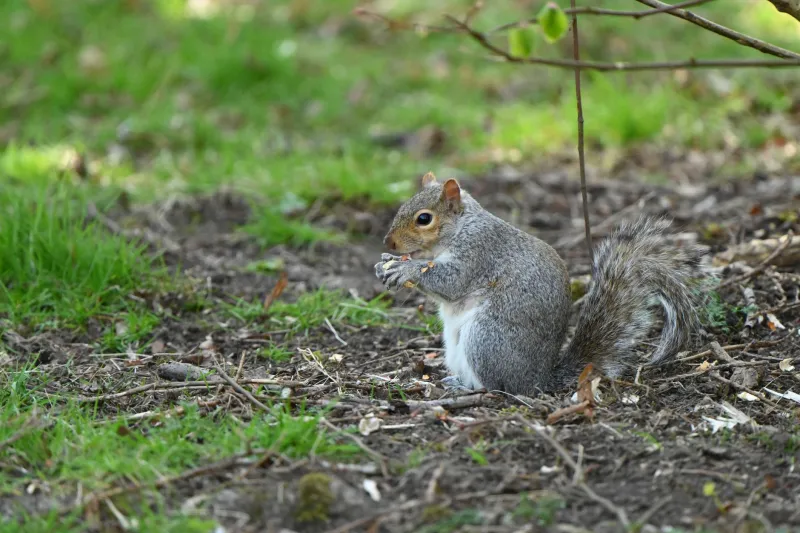
Grey squirrels are not just a woodland nuisance. They strip bark from young trees, take eggs and chicks from nesting birds, and compete hard with our native reds where ranges overlap. In a young plantation or a mixed wood with natural regeneration, the damage can be out of all proportion to the number of squirrels you actually see. Once the leaves are down, you can read where they are feeding, where they are travelling and which trees are being targeted. That intelligence is worth more than any gadget.
The other reason to go now is timing. Winter control reduces the breeding population before the first litters of the year, and it does so when the woodland is open and safe to work. It is not about wiping out every squirrel in the county. It is about applying pressure where it counts, on the ground you are responsible for, and doing it humanely and legally.
Reading the wood before you shoot
Start with the sign, not the rifle. Look for fresh gnawing on hazel, beech and sycamore, and for the neat, stripped cobs and husks that mark a feeding seat. Squirrels often use the same routes and the same favoured trees, so a quiet walk after leaf-fall will tell you more than a dozen speculative sits. Check old stumps and fallen limbs for droppings, and look up for dreys - bulky, leafy nests usually set in a fork or against a trunk. Not every drey is occupied, so treat them as clues rather than targets.
Listen as well. Grey squirrels are noisy when they move through dry leaves, and they often give themselves away with a sharp chuck or a rustle on a branch. Find a spot where you can see a section of trunk and a patch of ground, then wait. The best sessions are usually short and quiet, not a full day of wandering.
Setting a safe lane with a sub-12 air rifle
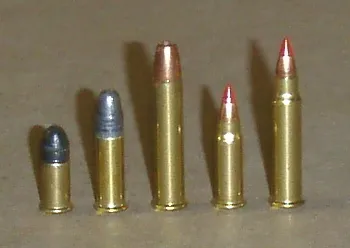
A sub-12 ft-lb air rifle is plenty for grey squirrels at sensible range, but only if you treat it like a proper tool. Know your limit - for most shooters that is 20 to 25 metres, and often less in woodland. Zero on paper, practise from seated and kneeling positions, and do not take the shot just because a squirrel has appeared. Wait for a clear head presentation and a safe backstop.
The safe lane is the whole job. In woodland, that means shooting into a solid earth bank, a thick trunk or a rising bank of ground, never up into the canopy where a miss can travel. Avoid shots near footpaths, bridleways, houses, stock or anywhere the public might be. Tell the landowner where you will be and when. Wear something visible if others are working nearby, and keep the rifle unloaded until you are in position.
A quiet approach helps. Wear dull colours, move slowly and use the wind. Squirrels are quick to pick up movement but surprisingly tolerant of a still figure. A lightweight set of sticks or a handy tree rest will steady the shot, and a moderator keeps disturbance down. Dispatch cleanly and promptly, and never shoot at a moving animal through cover just to chance it.
Trapping alongside the rifle
Shooting alone rarely keeps on top of grey numbers in a wood with plenty of cover. Legal tunnel trapping is the other half of a sensible plan. Use purpose-made tunnel traps, set them on known runs and check them at least once a day - more often in mild weather. Baited with peanuts or maize, they can be very effective, but they must be sited where non-target species, pets and people cannot get to them. Mark them, keep a record, and follow the current legal requirements for your part of the UK. In England and Wales, grey squirrels must not be released back into the wild; in Scotland, airgun and trapping rules are different again, so check before you start.
The rifle and the trap are not in competition. The trap works while you are elsewhere; the rifle deals with the squirrels that are too wary to enter a tunnel. Together they apply steady pressure without turning the wood into a shooting gallery.
From tree rat to table
Grey squirrel is good eating if you treat it properly. Skin it while it is still warm if you can, then remove the head, feet and tail. Joint it into front legs, hind legs and saddle. Some people remove the small musk glands under the forelegs; it is a quick job and makes the meat more pleasant. Rinse the joints, pat them dry and chill them quickly.
Squirrel is lean, so it does not want a hot, fast roast. Braise it slowly with bacon, onion, cider or stock, bay and juniper, and let it come away from the bone. Older animals need longer; young ones can be browned and then finished in the oven. It makes a fine pie or a robust stew, and it is a genuinely useful way to make the control work count. If you are new to game, keep the first attempt simple and do not overcook it.
The conservation ledger
The case for grey squirrel control is not really about the squirrel. It is about the wood. Young trees that survive their first decades give us the next generation of canopy, and nesting birds need those trees and the insect life around them. Grey squirrels take their share from both. Every squirrel removed from a sensitive wood is a small correction in a ledger that has been running against our native wildlife for a long time.
That does not mean boasting about numbers or shooting without thought. It means using the November window well: reading the sign, setting safe lanes, trapping legally and humanely, and using the meat. The leaves are down. The wood is open. This is the month to get it done properly.