The Fence Is Not the Edge of the Job: Shooting Shared Boundaries Well
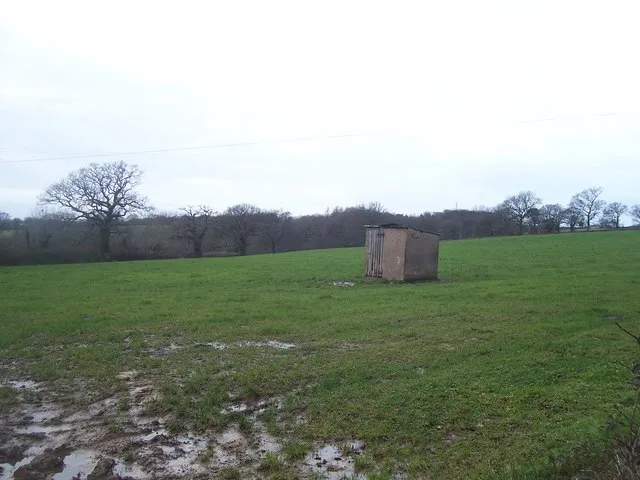
Photo: Lewis Clarke, CC BY-SA 2.0, via Wikimedia Commons
There is a moment on every permission when the map stops being useful. You have the boundary marked, the landowner’s blessing in your pocket, and a clear idea of where you can legally be. Then you stand at the fence and realise the real question is not where your permission ends, but where your shot, your pellets, your carcass and your noise might end up.
Shooting a shared boundary well is less about asking next door for permission and more about removing surprises. The legal line matters, of course. But the practical boundary is wider than the fence, and the sooner you treat it that way, the fewer awkward conversations you will have.
Walk the boundary before you shoot it
A boundary walk in daylight is the best hour you will spend on any permission. Not a quick lap with the dog, but a proper look at the whole perimeter: hedge thickness, gateways, stock fencing, ditches, footbridges, gaps where a walker might appear, and the roofs and yards on the other side.
Mark it on a phone map or a printed aerial. Take photographs of the awkward corners. Note where your safe arcs actually are, not where you vaguely remember them being. Hedges get cut, storms drop limbs, and a gap that was tight in September can be wide open by November. A boundary is not a fixed object. It changes with the seasons and the weather.
While you are there, think about fall zones. That means the ground where a shot bird, a rabbit or a deer might end up, and the area where pellets or a bullet could travel if something goes wrong. A fall zone is not just where you intend to hit. It is the patch of land that has to be safe if the shot is not perfect.
The land beyond the fence still counts
With a rifle, the first job is a proper backstop inside your permission. Never let the skyline be your safety net, and never assume a hedge is a bullet stop. Know what lies beyond the boundary for a good distance, especially on flat or rising ground. A rimfire is not a toy, and a centrefire round can travel far further than most people picture when they are focused on the crosshair.
Shotgun pellets carry too. Pigeon shooting near a boundary is not automatically wrong, but the decoy pattern and flightlines need to point the right way. If birds are spilling over next door’s yard, adjust the setup or move. Foxing near outbuildings deserves the same thought. The fact that a shot is legal on your side does not make it sensible if the noise, the ricochet risk or the fall zone belongs to someone else.
Deer stalking adds another layer. Shot presentation matters enormously near a boundary. An angled shot that sends the animal towards a neighbour’s property is a recovery problem waiting to happen. If a beast crosses the line, do not follow it without permission. Call the landowner, then the neighbour if needed, and sort it calmly. A dead deer is not improved by a trespass argument.
Stock, footpaths and the public
Livestock change everything. Cattle move, sheep drift, horses spook, and a dog walker can appear from a blind corner with no idea that anyone is shooting. Check the public rights of way on your map, but also watch the ground in front of you. A footpath marked on a map is useful. A family with a spaniel and a flask is the reality you have to manage.
Time your shooting around stock and access where you can. Keep gates as you found them. Do not shoot towards a footpath even if the line feels clear, because the safe shot is the one that stays safe when a walker stops to tie a bootlace. If someone does appear, pause. There is no prize for finishing the mag before they pass.
Tell the neighbours before they hear it
A short message or a knock at a civil hour does more for boundary relations than a hundred apologies afterwards. You do not need to ask permission to shoot on your own ground, but you do need to be a decent neighbour. If you are going to be out early, say so. If you are shooting near a house, a stable yard or a field of horses, give them the useful bits: rough dates, rough times, and the direction you will be facing.
Keep it brief. Nobody wants a essay through the letterbox. A simple note or a text works, especially if you have an existing relationship. If you do not, introduce yourself properly rather than waiting for the first complaint. And do not promise more than you can control. You can promise to be careful. You cannot promise that a bird will not flare over the hedge.
Build a boundary map that lives in your pocket
A good permission map should show more than the outline. Mark the safe arcs, the no-shoot zones, the footpaths, the houses, the stock fields, the gates and the places where you would park without blocking anything. Add a what3words pin for awkward gates if that helps. Share it with anyone you take out.
Then review it. After harvest, after hedge cutting, after a storm, after the clocks change. If a guest cannot point to the no-shoot side of the hedge, they are not ready to shoot that boundary. That is not harsh. It is the difference between a tidy operation and a mess that lands on the landowner’s doorstep.
The etiquette that keeps a permission quiet
Pick up your empties. Leave the gate shut. Do not park in the yard when the track will do. Do not post the location on social media. Do not shoot towards the neighbour’s garden just because the birds are there. If something goes wrong, report it straight away rather than hoping nobody noticed.
The best boundary work is boring. It is walked, mapped, talked about and left alone when conditions are wrong. The fence is not the edge of the job. It is the point where your responsibility becomes more visible, and where good manners are worth as much as good marksmanship.