When the Ditch Comes Up: Inland Duck Flighting on Wet, Modest Water
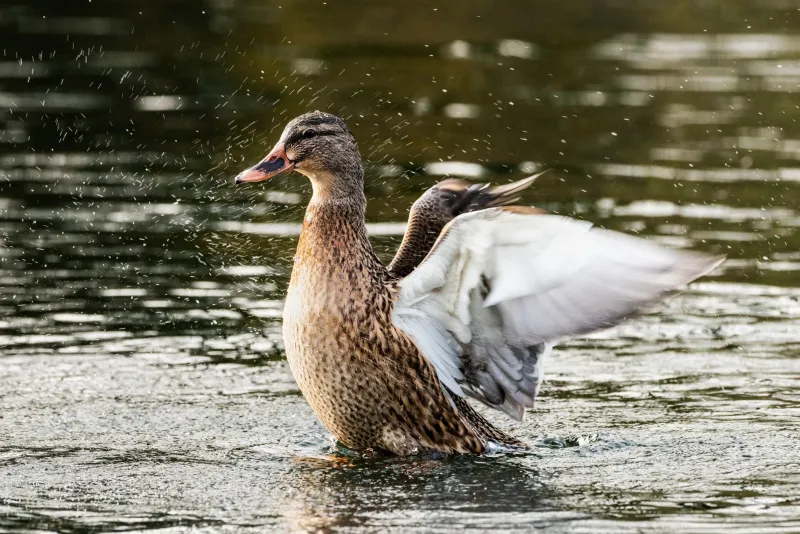
There's a particular kind of evening that only turns up after a week of rain. The ground squelches underfoot, the dykes are running colour, and a pond that's been half a field of cracked mud since July suddenly has water in places it hasn't held water for years. Somewhere out in the middle, a pair of mallard drops in with that flat, unhurried splash. That's the moment inland flighting gets interesting.
It's also the moment a lot of people overreach. Flights of fifty, days of stacking birds in the back of the truck, the sort of thing that lives on social media and nowhere in a wet week in November. What small inland water actually gives you is a handful of chances, taken well, on ground you know. That's worth a lot more than a fantasy of limits.
Why small water punches above its weight after rain
Big reservoirs and estuaries don't change much when it tips down — they're already wet. What changes is the landscape around them. Field corners fill, ditches back up, low meadows turn into shallow sheets of water an inch or two deep. Ducks that have been sitting tight on the main water suddenly have options: quiet, undisturbed, food-adjacent options, usually right next to the stubbles and grass they're feeding on.
That's the whole mechanism. Flood margin duck aren't there because the water is suddenly better; they're there because it's nearer the table and further from people. Your job is to be the quiet, unremarkable thing at the edge of it.
Read the water before you read the catalogue
Half an hour with wellies on the day before beats any amount of gear shopping. Walk the ground and look for the practical stuff:
- Where does it actually hold depth? Shallow flood water moves as the level drops. A spot that's ankle-deep at six in the evening can be bare mud by eight.
- Where are the landings? Droppings, feathers, flattened grass at the water's edge. Ducks use the same corners night after night if nothing pushes them.
- What's the approach line? Most inland evening flights come in low from a direction they're comfortable with — often the sheltered side, often the side nearest the feed. Get that wrong and you'll be watching silhouettes flare off at forty yards all evening.
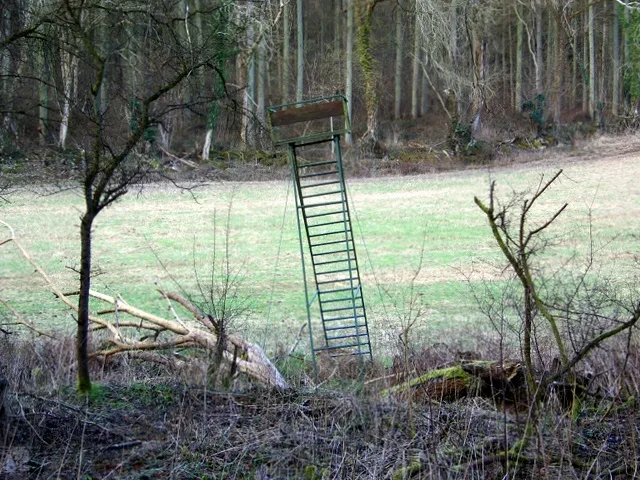
- Where can you actually stand? Boring, but it decides everything: solid footing, safe background, no footpath behind the bird.
If the ground is a Site of Special Scientific Interest, an SPA or a reserve, that walk should include a look at the map before you go anywhere near it. Flooded washland is often exactly the habitat that gets protected, and exactly the habitat people assume is fair game.
Set up small, stay quiet, get out early
You don't need a trailer load of kit. A handful of decoys — four to six mallard, maybe a couple of teal if you're on a flighty pond — a net or a natural hide built from the hedge you're standing behind, a stool, and a flask. That's a flight pond evening.
Put the decoys where the birds would naturally sit given the wind, not in a neat pattern that photographs well. Leave a gap for the ones you want to shoot. Get in at least an hour before last light and then stop moving. Inland duck on small water are jumpy in a way estuary birds aren't, because everything inland is closer: closer to the road, closer to the house, closer to whoever's walking the dog.
If someone does turn up — a walker, a rider, a farmer checking stock — pack down rather than push it. Losing one flight is nothing. Losing the permission isn't recoverable.
Wind, cloud and the falling glass
Weather drives this more than anything you can buy. A low sliding in from the Atlantic, glass dropping, a bit of cloud cover and a decent westerly — that's your evening. Ducks move on the front edge of it, often in the last twenty minutes of light and again in that grey half hour after.
Bright, still, frosty nights are beautiful and mostly useless for evening flighting on small water. Birds sit out on bigger water and move late, or they've already fed. Don't force it. Sit a few evenings, learn when your particular pond produces, and you'll stop wasting trips.
One thing to watch: hard weather. A long cold snap can concentrate birds and concentrate pressure on them at the same time. Shooting can be suspended in severe conditions, and even when it isn't, there's no glory in hammering birds that are simply struggling to survive. Restraint is part of the skill set, not a compromise of it.
Safety on flooded, muddy ground
Flood margins are deceptively dangerous. The water hides ditches that were two feet deep in October and are now six feet deep with a current in them. It hides barbed wire, culverts and holes. It hides the boundary of the land you have permission on.
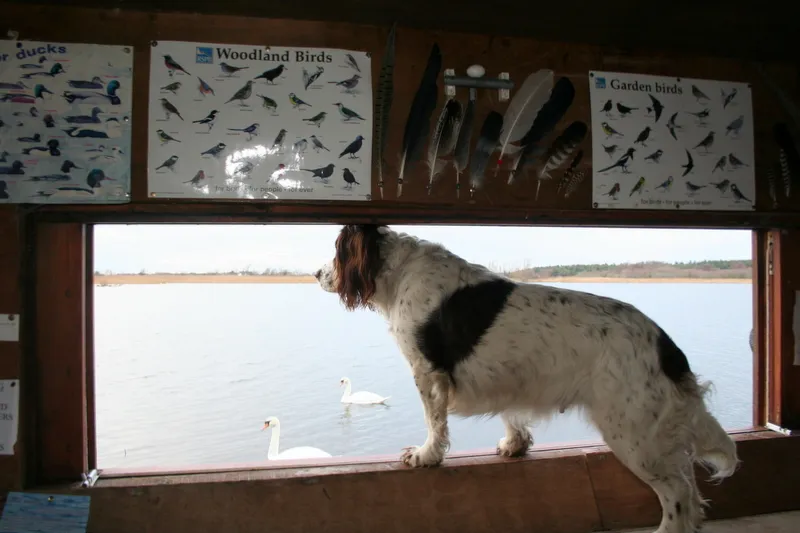
Stick to ground you've walked in daylight. Don't wade anything moving. Keep the dog out of fast water entirely — a keen spaniel will go where you tell it, and that's exactly the problem. Keep your firing line clear of footpaths, lanes and stock, and remember that sound carries differently over water in a way that will have every dog in the parish barking at your first shot.
The legal bits worth knowing cold
Ducks are quarry species with proper close seasons under the Wildlife and Countryside Act — check the current dates for where you're shooting, because they differ between inland water and the foreshore. Non-lead ammunition is now the practical default across the UK and the direction of travel is only one way, so if you haven't already worked out what your gun patterns with steel or bismuth, sort that out on a pattern plate long before a November evening.
Modest bags, honest expectations
Most evenings on small inland water will give you one chance, maybe two. Some will give you nothing but a soaking and a good view of a heron. If you go out expecting a heavy strap you'll shoot at birds you shouldn't, in poor light, over a background you haven't checked.
Go for the evening itself: the water coming up, the whistle of a teal swinging over the willows, the dog steadier than it was last season. A brace of mallard for the pot on a wet Tuesday is a proper result. Anything beyond that is a bonus, and the quiet corners that keep giving you those evenings are worth far more than the ones you shoot out in a fortnight.
That's the honest version of inland wildfowling after the floods. Small water, small kit, small bags — and a lot more satisfaction than the catalogue suggests.