The Spreadsheet Behind the Hedgerow: Making a Tiny Rough Shoot Work
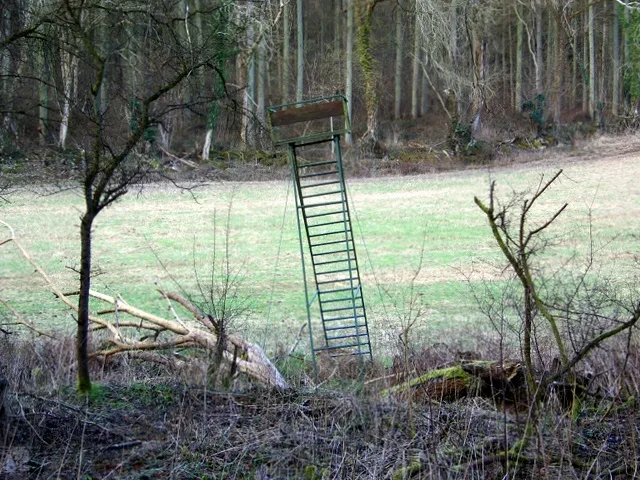
Photo: Trish Steel, CC BY-SA 2.0, via Wikimedia Commons
Rough shooting has a marketing problem. The images tend to be tweed, long lines of guns and a trailer full of birds. The reality for most of us is a battered estate car, a flask, one steady dog and a permission that is measured in fields rather than thousands of acres. That version can be excellent. It can also become an expensive way to walk about in waterproofs if nobody does the sums first.
The useful question is not “how many birds can we put down?” It is “what does this patch realistically need, and what will it give back?” In 2026, with every cost seemingly on an upward slope, a tiny DIY rough shoot has to be judged on time, money and satisfaction as much as bag size.
Start with the ground, not the guest list
Before anyone invites a sixth gun or buys a single bag of feed, walk the ground properly. Do it in late winter or early spring, when the cover is down and you can see the bones of the place. You want to know where birds will sit, where they will feed, where they will drift when pressed and where a shot is safe. You also want to know where the footpaths, roads, houses, stock and boundary fences are.
A small shoot does not need a vast acreage, but it does need variety. A block of clean arable with no hedgerow, scrub or rough corner is hard work. A mixed farm with awkward corners, a damp patch, a bit of woodland and a hedgerow that has not been flailed to death is far more promising. Think in terms of cover, food and disturbance. If one of those is missing, the birds will be missing too.
Map it. Not because you need a cartographic masterpiece, but because a simple boundary map with no-shoot zones, access points and neighbour contacts prevents more arguments than any amount of good intentions.
Six guns and one dog: the syndicate arithmetic
Six guns is often a sensible number for a small DIY shoot. It is enough to share the cost and the work, but not so many that every field feels like a driven day. More guns usually means more pressure, more coordination and more chance of someone shooting a boundary bird that should have been left alone.
The budget is rarely glamorous. There may be a modest rent or lease payment, public liability insurance, seed and feed, hedge plants or game cover, cartridges, fuel and the odd repair. Split across six people, the annual cost can look manageable. Split across two, it often does not. The hidden cost is time: habitat work, predator control within the law, feeding in hard weather, mowing, strimming, liaising with the farmer and walking the boundaries. Someone has to do it, and it is usually the same someone.
Give people roles. A treasurer who actually chases subs. A habitat lead who talks to the landowner. A dog handler who is not expected to retrieve for everybody while also organising the day. A boundary contact who knows the neighbours. A small shoot works best when it is not one person’s private burden.
Insurance and paperwork without the panic
A DIY shoot still needs proper cover. Public liability insurance is not optional if you have guns, guests, beaters or a dog on someone else’s land. Check that the policy covers the activity you are actually doing, including any guests and helpers. Membership of a recognised shooting organisation is a common route, but read the detail rather than assuming.
Get permission in writing. Confirm boundaries and any conditions: no shooting near stock, no vehicles in wet fields, no access at certain times. Follow the relevant general licences and close seasons for where you are, because the rules differ across the UK. Keep a simple record of days, bags and visitors. None of this is red tape for its own sake; it is what separates a friendly arrangement from a messy one.
If you are releasing birds, stop and check the rules, insurance and welfare requirements carefully. A wild-bird rough shoot and a small release pen are not the same thing.
Habitat tweaks that earn their keep
You do not need a keeper or a big budget to improve a small shoot. You need to be useful rather than busy. Leave rough margins. Resist the urge to tidy every corner. Manage a hedge on rotation rather than cutting it flat every year. A narrow game cover strip or a few native shrubs can make a surprising difference. Feed sparingly and only when weather really bites; a pile of feed that attracts rats and foxes is not habitat improvement.
Predator control must be legal, targeted and proportionate. Do not treat it as a substitute for cover and food. Talk to the farmer about what fits with their farming and any environmental scheme. The best habitat tweaks are the ones that do not create extra work for the person who owns the land.
Neighbours, boundaries and the permission map
Small shoots live or die on neighbour relations. Tell the neighbouring landowner or shoot what you are doing before they hear it from a walker. Swap phone numbers. Agree which days you are out. If a bird flushes over the boundary, it is not yours to follow without permission. A dog that disappears through a hedge after a runner is a problem waiting to happen.
Keep guns away from footpaths, roads and houses. Use markers if needed. A shoot that is careful about boundaries will keep its permission far longer than one that treats the neighbouring field as a convenient extension.
Realistic bag expectations
A wild DIY rough shoot is not a driven estate. Some days will be quiet. Some will be blank. A good day might be a mixed handful rather than a trailer. That is not failure; that is rough shooting. Judge the shoot over a season, not a single outing, and keep a simple record. If the bag is consistently poor, ask whether you are pressing the ground too hard, lacking cover, or simply expecting the wrong sort of bird for the habitat.
Cost per bird will look high. Cost per outing, with dog work, fresh air and a bit of food for the table, looks much more reasonable. If the spreadsheet only works when you shoot more than the ground can support, the spreadsheet is lying.
The dog factor
One dog can make a small shoot feel much larger, but it cannot be everywhere. Plan retrieves. Give the dog water, rest and a first-aid kit. Do not expect it to work every drive and then sit quietly while everyone has lunch. A tired dog makes mistakes, and a mistake near a boundary or a road is not worth it.
When to call it a day
A small shoot should be worth keeping. If the permissions are shaky, the habitat is poor, the costs are creeping and nobody has time for the work, reduce the guns or stop. That is not defeat. It is honest maths. The best tiny rough shoots are not the ones with the biggest bag. They are the ones where the ground, the people and the quarry are roughly in balance, and everyone still wants to be there next season.