The Quiet Vermin Job: Ratting a Working Farmyard Without Cutting Corners
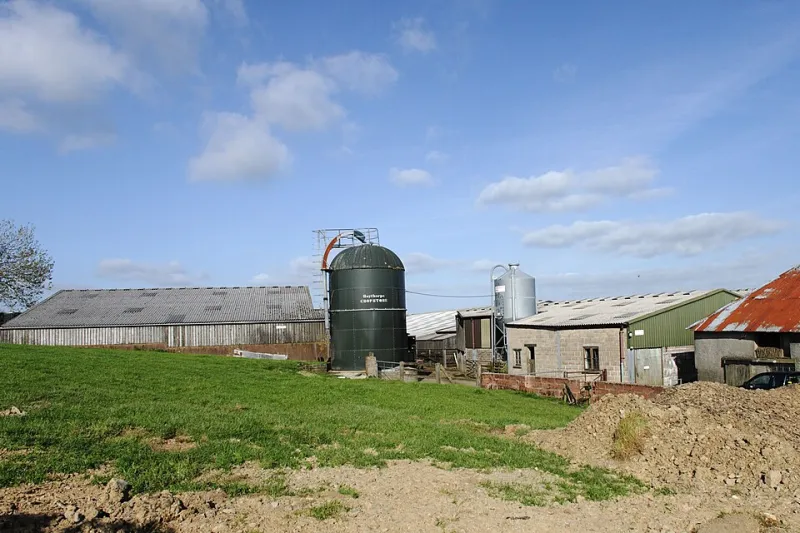
Photo: David Brinicombe , CC BY-SA 2.0, via Wikimedia Commons
Ratting gets sold as a bit of a laugh: a lamp, a rifle, a few mates and a pile of dead rats for the photo. Around working farm buildings it is rarely that simple. There is livestock to consider, feed to protect, neighbours within earshot and a farmer who will judge you on whether the place looks tidier when you leave. The job is to solve a real problem quietly, not to turn a grain store into a shooting gallery.
Start With the Permission, Not the Rifle
A farmyard is somebody's workplace and, quite often, their home. Turn up when you said you would, park where you were told and keep your kit contained. If the permission is new, ask what buildings are off limits, where the footpaths run and whether anyone else is lamping or ferreting that night. A quick text before you set off saves a lot of awkwardness later.
Ask specifically about rats. General vermin permission is not the same as a free pass to wander between cattle sheds at midnight. Confirm whether you can shoot inside buildings, whether there are any livestock movements planned and what they want done with carcasses. A farmer who has had blokes leave dead rats in a heap by the silage clamp will be a lot less keen next time.
Read the Yard Before You Load
Stand still for ten minutes. Listen. Rats are noisy when they think nobody is about: scratching in feed bins, rustling along wall bases, moving through gaps under doors. Look for runs — smooth, greasy lines along walls and ledges — and droppings near cover. Grain stores, calf pens, feed rooms and the backs of sheds are obvious starting points, but the best baited spot is usually the one with a safe backstop and a clear firing lane.
Do not shoot along a concrete floor just because the rat is there. Think about what is behind it: brick, soil, a solid wall, a feed bin. If the answer is 'a doorway, a drain or the dark', move. A sub-12 ft-lb air rifle is safe in the right place and thoroughly unsuitable in the wrong one. The backstop matters more than the pellet.
Bait, Patience and a Sensible Distance
Bait placement does most of the work. A little broken maize, chicken feed or a dab of peanut butter at the base of a wall will pull rats into a predictable spot. Put it against a solid backstop, not in the open, and avoid anywhere the farmer cannot afford a stray pellet. Keep bait away from livestock feed and drains, and never leave a trail of food that draws rats closer to the house or into a yard the dogs use.
Give it time. Rats are neophobic — wary of anything new — so a bait station that gets hammered on night one is unusual. Set up, sit back and let the yard settle. A red torch or low-output lamp can help you watch without spooking everything, but keep the beam off the bait until you are ready to shoot. In 2026, modest night-vision and thermal gear is more accessible than ever, but it is not a substitute for knowing the ground. Use it to identify and confirm, not to take hopeful shots into clutter.
Shot Discipline Is the Whole Game
Only take shots you can call. Rats move in fits and starts, often at the edge of cover, and a rushed shot into a wall base is how pellets end up in places they should not. Wait for the rat to pause with a solid backstop behind it. If it is sitting on a beam with a shed roof behind, let it go. If it is on a concrete apron with a brick wall behind, that is a different conversation.
Be honest about range. Most farmyard ratting is close work — often under 20 yards — and that is a good thing. A clean head shot at 12 yards beats a speculative body shot at 35. Use a rest where you can, keep the rifle steady and unload before you move between buildings. Silence is part of the method: a moderated air rifle keeps disturbance down, but there is no point being quiet if you are clattering around with loose kit.
Carcass Hygiene and Leaving No Trace
Gloves on. Rats carry disease and parasites, and a farmyard is not the place to get casual about hygiene. Pick carcasses with forceps or a grabber, double-bag them and put them where the farmer wants them — generally the bin, an incinerator or a designated pit. Do not leave a row of dead rats by the door as a trophy. It looks untidy, attracts flies and tells the farmer you have not thought it through.
Clean up bait, tidy any pellets you have spilled and check you have not left a torch, glove or rifle slip in a shed. Wash your hands before you get in the vehicle, and keep your boots and kit separate from anything you use at home. If you have been in a livestock building, change or clean up before moving to the next farm. Basic stuff, but it is the difference between being asked back and being remembered as a nuisance.
Know When to Stop
Set a finish time before you start and stick to it. An hour and a half of quiet, well-placed shooting is better than four hours of wandering about and disturbing the yard. If the rats go quiet, the wind shifts or the farmer starts moving machinery, pack up. You are there to reduce a problem, not to clear the place out in one night.
The best ratting sessions are forgettable from the farmer's point of view: no noise, no mess, no dead rats left lying about and a few less around the feed bins. That is the standard worth aiming for. Keep it quiet, keep it safe and leave the yard as though you were never there.