Twenty Minutes Before Monday: The Kit Reset That Keeps Winter Honest
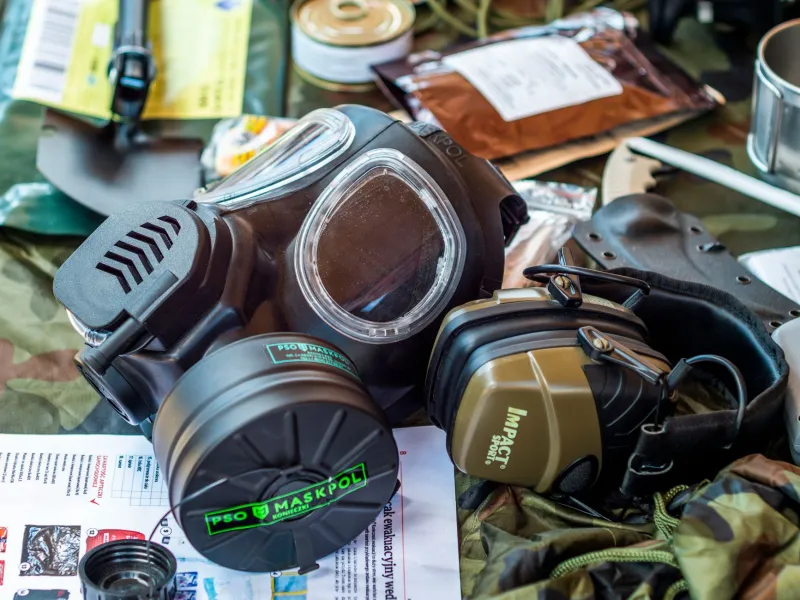
Winter kit does not usually fail dramatically. It sulks. A torch that was fine last week gives you a weak yellow glow at the wrong moment. The waterproof that kept you dry in October now has a damp patch across the shoulders. Your first-aid kit is still in the truck, but the plasters have turned into a sort of sticky archaeological find. None of this is bad luck. It is the predictable result of putting wet, tired kit away and hoping it will sort itself out before Saturday.
The fix is not a new jacket or a bigger spend. It is a small, repeatable routine: twenty minutes on a Sunday evening, before the week swallows you, to reset the kit that gets you out into the cold half of the year. Think of it as maintenance as fieldcraft. The person who checks their torch before leaving the house is not fussy; they are simply harder to catch out.
Why Sunday, and Why Twenty Minutes
Sunday works because it is close enough to the next outing to matter and far enough from it that you are not doing everything in a panic on Friday night. It also catches the damage from the weekend just gone, while you can still remember which pocket got soaked, which boot leaked, and which permission gate was hanging off its hinge.
Twenty minutes is deliberate. A full kit audit sounds sensible until it becomes a fortnightly project that you abandon by December. Keep it small. Lay a towel on the kitchen floor, put the kettle on, and work through the same few stations in the same order. The routine should be boring enough to repeat and useful enough to notice when something is missing.
Dry It Like You Mean It
Drying is where most winter kit quietly dies. A waterproof jacket stuffed into a bag while still damp is not just unpleasant next time; repeated damp storage can soften proofing, encourage mildew, and leave zips gritty. Boots left in the boot of the car become cold, stiff and eventually cracked.
Do the simple things properly. Empty every pocket, including the ones you forget. Brush mud off boots while it is still soft, then dry them slowly and away from direct heat. Radiators and log burners are not friends to rubber and leather. Loosen laces, pull out insoles if you can, and let air move through. Hang waterproofs on a wide hanger rather than a tight hook. If a jacket has been properly wet, check the care label and reproof it when needed rather than waiting for the first miserable Saturday.
This is also the moment to notice the small failures. A snapped toggle. A torn cuff. A zip that catches. Better to find them on Sunday than halfway across a muddy field in the dark.
The Battery Drawer Is Not a Plan
Torches, headtorches, GPS units, dog collars, ear defenders with electronics, and anything else that relies on a battery deserve a quick check. Do not just press the button and see a glow. Open the compartment, look for corrosion, and replace batteries that are past their best. In winter, a weak torch is worse than no torch because it gives you false confidence.
Keep spare batteries in the bag you actually carry, not in a drawer at home. If you use rechargeables, make Sunday the charging night. If you have a lamp in the vehicle, check it too. The same goes for your phone cable and power bank if you rely on them for permission maps or emergency contact. Cold weather drains batteries faster, so the margin you had in summer is not the margin you have now.
First Aid: Check Dates, Not Vibes
Most people do not know what is in their first-aid kit until they need it. Sunday is the time to open it, take out the items that have expired, and replace what has been used. Check that gloves are still sealed, that antiseptic wipes have not dried out, and that you have enough dressings for the sort of small cuts and knocks that come with hedges, wire and knives.
If you work alone, this matters more. Add a foil blanket if you do not carry one, and make sure your emergency contact details are written down somewhere sensible. A first-aid kit is not a talisman. It is a small, practical tool, and it only works if it is complete.
The Permission Bag and the Boot of the Car
The bag that goes to permissions should be audited, not just topped up. Check permission letters or written confirmations, landowner contact numbers, a pen that works, and any gate codes or access notes you rely on. Remove rubbish, old gloves, and the sandwich wrapper from three weeks ago. Restock cable ties, marker tape, and a small repair kit if that is part of your setup.
The vehicle kit deserves the same treatment. A torch, a warm layer, a pair of gloves, water, and a basic tool kit are not glamorous, but they are the difference between a nuisance and a problem when a gate is frozen or a job runs late. Check the boot for kit that has been living there since summer. Damp clothing left in a vehicle does not improve with age.
Write Down What Let You Down
This is the part most people skip. Keep a small note — paper or phone — of anything that failed or nearly failed. A torch that flickered. A boot that leaked. A zip that jammed. A first-aid item you used and did not replace. Do not turn it into a shopping list straight away. Just record it.
After a few weeks, patterns appear. You might find that your gloves are the weak point, or that your bag is too small for winter layers, or that you keep borrowing the same thing from the truck. That is useful information. It stops you buying random kit and helps you spend on the things that actually let you down.
A Short Checklist, Not a Project
A good Sunday reset should feel almost too simple. Dry the wet stuff. Check the batteries. Open the first-aid kit. Audit the permission bag. Look at the vehicle kit. Write down what failed. Put it all away properly.
Do that through the winter of 2026–27 and you will still have bad days. The weather does not care about your checklist. But you will have fewer of the stupid, expensive, cold-handed failures that come from neglect. Maintenance is not gear obsession. It is the quiet bit of fieldcraft that keeps the rest of it working.