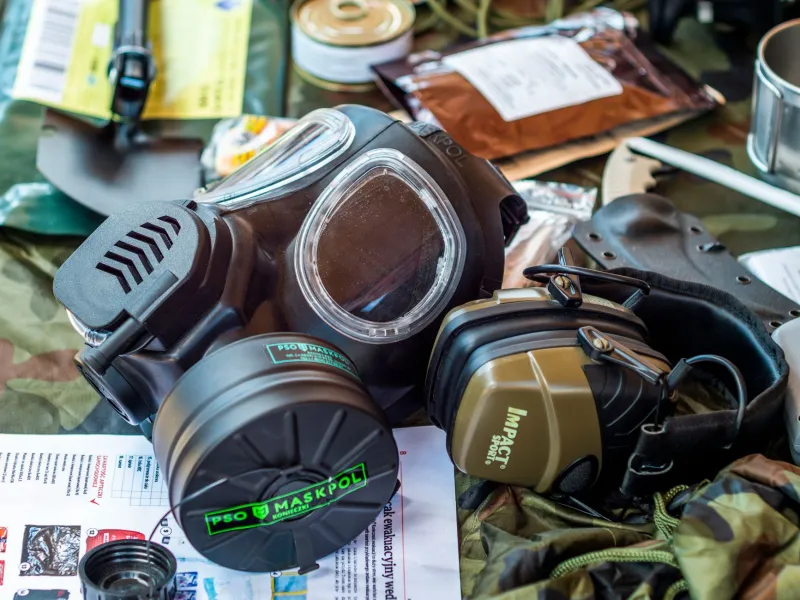
The Dry Room With an Engine: Building a Winter Field Base in Your 4x4
Photo: Chris Heaton, CC BY-SA 2.0, via Wikimedia Commons
There is a moment on every cold-weather field day when the vehicle stops being a car and becomes the most important piece of kit you own. It happens when you come back soaked, freezing and carrying more mud than when you left. If the boot is a jumble of loose cartridges, wet gloves and a flask that has rolled under the dog bed, the day ends badly. If it has been set up properly, you get warm, sorted and ready for the next move.
That is the difference between treating the motor as transport and treating it as a field base. It does not need to be a fully kitted expedition wagon. A tidy estate car or a honest 4x4 will do, provided you plan for wet kit, safe storage and the small comforts that keep a winter outing civilised.
Start With the Floor, Not the Gadgets
Most boot chaos starts at the bottom. Before you buy another storage box, sort the floor. A rubber boot liner with a raised lip is the single best investment for a UK winter. It catches mud, water and the inevitable spill from a leaky flask. On top of that, a cheap plastic seed tray or a shallow gravel tray gives wet boots somewhere to sit without soaking everything else.
Keep the layout simple. One side for clean kit, one side for dirty kit. A collapsible crate for gloves, hats and a spare fleece. A small dry bag for paperwork, phone and keys. Nothing loose that can become a missile under braking, and nothing so precious that you are afraid to use the boot properly.
Wet Kit Needs Air, Not Heat
The temptation after a wet morning is to fire the heaters on full and create a tropical swamp. That works for about ten minutes, then everything stays damp and the windows fog up. Instead, give wet clothing somewhere to hang and breathe. A simple boot rack or a couple of bungee cords across the rear grab handles will do. Hang jackets and trousers so water drains away from the seams, not into a heap on the floor.
If you have a dog, a towel and a dedicated dog space are non-negotiable. A wet spaniel will find the one dry jacket in the car and lie on it. A cheap fleece-lined crate mat or a piece of vet bedding is easier to wash than your upholstery.
Rifles and Ammunition: Boring Is Correct
There is no clever trick here. Safe storage in a vehicle means following the law and your own common sense. A rifle should be in a slip or case, out of view, and never left unattended in a car for longer than necessary. Ammunition should be kept separate from the rifle and secured where it cannot roll about. If you are moving between permissions, plan the journey so the vehicle is not doubling as a long-term gun cabinet.
Keep a simple checklist in the glovebox: bolt removed where practical, moderator off if it is wet, chamber clear, ammunition accounted for. The last thing you want after a long walk is to be patting pockets in a muddy car park wondering where a handful of cartridges went.
Condensation Is the Quiet Enemy
A car full of wet people, a wet dog and a cold evening will produce condensation faster than you expect. That moisture gets into seat foam, door pockets and the spare coat you left in the boot. A couple of reusable dehumidifier bags left in the cabin help, as does cracking a window slightly when you park up after a wet day. If you have a garage or carport, leave the boot open overnight to dry properly.
Avoid storing damp kit in the car between trips. Take it in, hang it up, and put it back only when it is genuinely dry. A car that smells of wet neoprene and old mud is a car you stop wanting to use.
Mud Management Is a Routine, Not a Product
Mud is not the enemy; tracked-in mud is. A stiff brush by the tailgate, a towel for the dog and a pair of slip-on boots for the drive home solve most of it. Keep a small spray bottle of water and a cloth for headlights and number plates, because winter lanes can coat a car in filth faster than you can say “single-track road”.
At the end of the day, spend five minutes emptying the boot, shaking out the mat and wiping the worst of the muck. It feels dull at the time. It feels excellent the next morning when you are not scraping someone else’s dried mud off your kit bag.
The Small Stuff That Saves the Day
A winter field base should carry a few things that have nothing to do with shooting: a decent torch, a power bank, a warm blanket, water, a basic first-aid kit and a high-vis vest. Add a folding shovel in winter, because UK lanes and farm tracks have a habit of turning soft at the worst moment. A can of de-icer and a scraper live in the car from November, not in the shed.
None of this is glamorous. That is the point. The car is not there to look the part. It is there to get you home warm, dry and legal, with your kit intact and your morning intact too.
Set it up once, keep it simple, and the vehicle becomes what it should be: a proper part of the kit, not just the thing you drive to the field.