Mud Season: Making Winter Game Cover Work on Heavy Land
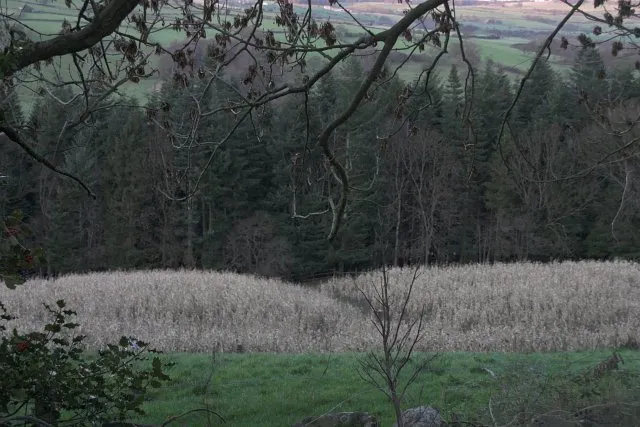
Photo: colin grice, CC BY-SA 2.0, via Wikimedia Commons
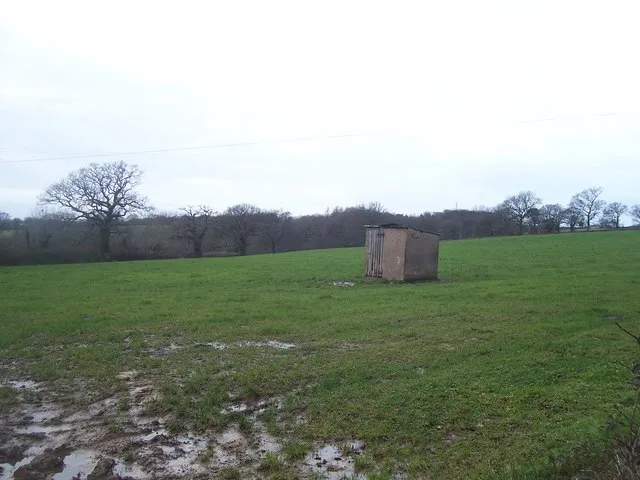
There's a particular sound that heavy clay makes in November. Not a squelch — more of a sigh, as another bootful of Suffolk or Cheshire mud gives up and sits down. It's the sound of a cover crop plan going wrong.
Most game cover advice is written for land that drains. Ours isn't. If your shoot is a few fields, a tight budget and a soil that turns to treacle after three days of rain, the glossy mixes in the catalogue are only half the story. The other half is deciding what will grow, when it will grow, and whether it will actually hold birds once it does.
Start by admitting what you've got
Before you order a single kilo of seed, walk the proposed plot after rain. Not a light shower — proper rain. Look for where water sits, where it runs, and where the soil caps over like a baked biscuit. On heavy clay, the difference between a plot that works and one that doesn't is often six inches of fall across twenty yards.
Dig a spade-depth hole. If the topsoil is thin and the subsoil is blue-grey and slick, don't plan a crop that needs deep, free drainage. Plan around it. That may mean a narrower strip on the better headland, a raised bed, or two smaller plots rather than one big one. A small shoot doesn't need a prairie. It needs a piece of ground that will still be standing in January.
The species that sulk and the species that shrug
On wet clay, the reliable winter cover is rarely the sexiest. Kale is still the backbone for many small shoots because it establishes in a firm, fine seedbed and stands through frost — but it hates being drowned as a seedling. Sow it in late May or early June, when the soil has warmed and dried a little, and it will usually outrun the weeds. Sow it into a wet, cloddy mess in July and you'll spend the rest of the year looking at gaps.
Fodder radish and mustard are the cheap, fast options. They germinate quickly, cover the ground and their taproots do something useful in clay — they open it up. But they are frost-sensitive. Treat them as summer and early-autumn cover, not a January bedroom. Triticale is hardier and gives good structure, but on wet land it needs to go in early enough to root before the water table rises. Late September is the realistic cut-off on most heavy ground; later than that and you're gambling.
Reed canary grass earns its place on the wettest corners, though it takes a season to get going. Chicory and plantain are useful in a mix for rooting depth and summer interest, but they won't give you a dense winter wall on their own. The trick is not to chase a single wonder plant. Build a mix that has one reliable winter backbone, one fast-establishing nurse, and something that improves the soil rather than just sitting in it.
Timing beats tonnage
Most cover crop failures on heavy land are planting-date failures dressed up as seed failures. The temptation is to drill late because the ground is finally dry enough — but late-sown crops go into cold soil, grow slowly, and get hammered by slugs and pigeons before they've got away.
On a small shoot, the planting window matters more than the seeding rate. If you can only get on the land in late June, choose a mix that suits late June. Don't buy a May mix and hope. If the plot is wet through spring, consider a spring-sown mix for summer cover and a separate, smaller winter strip on the driest part of the farm. Two realistic plots beat one heroic failure.
Drainage without a digger
You don't need a drainage scheme to make a difference. On small plots, a shallow ridge along the row — formed with a bed former, a ridging plough, or even a spade and a lot of swearing — can keep seedlings out of standing water. A cut-off ditch or a cleaned-out grip at the low corner will do more than any additive. If water is coming off a track or a gateway, divert it before it reaches the plot. And keep off the ground when it's wet. Compaction from one ill-judged tractor pass in March can haunt a clay plot all season.
Does it hold birds or just hide them?
This is the question nobody asks in the catalogue. Cover that hides birds from the gun line isn't necessarily cover that holds them. Pheasants and partridges want food, grit, shelter, dust baths and an escape route. A solid wall of kale with nothing underneath is a bedroom with no kitchen. Birds will use it, but they'll drift.
Walk the plot at last light — quietly, without a dog charging about — and count what gets up. Do it again a fortnight later. Look for droppings, feathers, dusting spots and feeding signs. A trail camera on a feed hopper tells you more than a hundred seed packets. If birds are using the plot but not presenting on shoot days, the problem may be the shape of the cover, not the species. Leave an open flush point, cut a corridor or two, and angle the cover so birds move towards the guns rather than running behind them.
The cheap test
Before you spend money on a premium mix in 2027, try a strip. One acre, one simple mix, one honest assessment. If it holds birds through a wet winter, scale it. If it doesn't, you've learned something for the price of a modest seed bill and a few weekends. On heavy land, that's usually better value than another catalogue.
The clay will always fight back. The job is to give it a fair fight — and to know by January whether you've won.